
Author: Chris Pendlebury, Director of Offshore Consenting & Environment
The latest offshore wind leasing round represents another major milestone for the UK offshore wind sector — but for developers, the opportunity extends far beyond simply securing seabed rights.
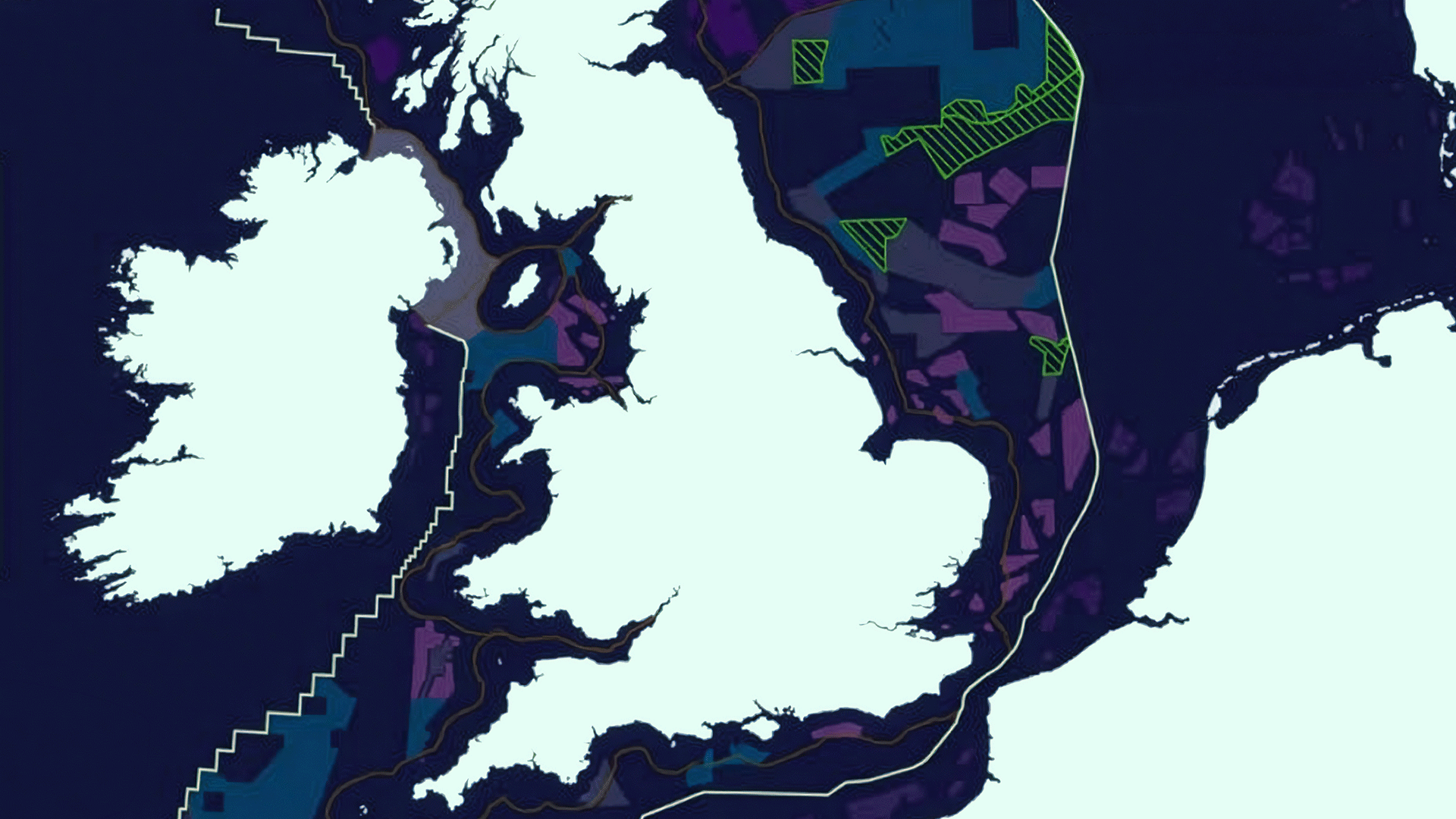
The launch of The Crown Estate Round 6 leasing process signals the next significant phase of offshore wind development in UK waters and reinforces the scale of ambition surrounding the country’s future energy system.
The focus on fixed-bottom offshore wind development in the North Sea comes at a time when developers are operating within an increasingly complex environment shaped by evolving regulation, cumulative environmental considerations, grid constraints and intensified competition for viable sites.
For developers preparing for the next stage of the leasing process, success will depend not only on securing a competitive bid, but on making informed decisions early around environmental risk, consenting strategy, site constraints and long-term deliverability.
That is where independent expertise becomes critically important.
At Natural Power, we are already working with developers and financial modelling partners to understand where the key delivery challenges are likely to emerge and how best to support successful bids across Round 6.
One of the biggest lessons from previous leasing rounds, including ScotWind, Round 4 and Round 5 in the Celtic Sea, is that site selection cannot be viewed through a single lens. Developers need an integrated understanding of environmental sensitivities, consenting risk, engineering considerations, wind resource, grid connection options, cable routing, survey requirements, construction challenges and commercial viability from the outset.
In many respects, Round 6 presents a different proposition to earlier leasing rounds. Significant survey work has already been completed across parts of the North Sea, there is increasing alignment through NESO and wider marine spatial planning activity, and developers are operating within a much busier marine environment where cumulative impacts require careful consideration.
The challenge now is turning large volumes of available information into practical, investment-grade decision-making.
We see substantial value in combining technical expertise with smarter digital tools to help developers assess the advantages and disadvantages of potential sites more dynamically. Through the use of interactive web mapping tools integrated with wider financial modelling, developers can gain a clearer understanding of constraints, risks and opportunities across multiple site options far earlier in the process.
Importantly, this approach also supports more resilient bid strategies.
Environmental and consenting risks have become increasingly prominent in relation to project timelines, financing confidence and long-term delivery certainty. Poor early-stage assumptions can create significant programme delays, increased costs and reputational challenges later in the project lifecycle.
Developers seeking to strengthen bid competitiveness should consider how environmental, technical, consenting and delivery risks are identified, evidenced and mitigated from the outset. A robust bid strategy requires confidence in areas such as environmental assessment, offshore consenting, engineering assumptions, survey design, wind yield analysis, construction risk and operational delivery to ensure risks are appropriately quantified and opportunities fully understood.
Our previous experience supporting EDF (an offshore wind developer) during the Round 5 Celtic Sea process demonstrated how early environmental and consenting insight can directly inform bid strategy and site selection decisions.
As the market prepares for the next stage of Round 6, collaboration between developers, consultants, financial partners and regulators will be essential to delivering projects that are not only commercially competitive, but realistically deliverable within increasingly complex environmental and regulatory frameworks.
The opportunity for offshore wind remains enormous, but so too does the importance of making the right decisions early.
We look forward to discussing these challenges and opportunities further with developers and industry partners at Global Offshore Wind 2026 next month.
For more information about Round 6, visit The Crown Estate Offshore Wind Round 6.