
Author: Michelle Elliott, Principal Environmental Consultant
As the offshore wind industry continues its rapid expansion, much of the environmental conversation understandably focuses on carbon reduction, biodiversity enhancement and nature-inclusive design.
However, there is another environmental challenge that deserves attention as the sector grows: invasive non-native species (INNS).
It's a subject that rarely attracts headlines, yet it sits at the intersection of ecology, asset management, biosecurity and environmental stewardship. As the number of offshore wind farms continues to rise, understanding and managing the risks associated with invasive species will become an increasingly important part of responsible project delivery.
The reality is that offshore wind infrastructure creates new hard surfaces within the marine environment. Foundations, substations, scour protection, cables and floating structures all provide opportunities for marine organisms to colonise and establish themselves.
In most cases, that colonisation is entirely natural and often beneficial. Offshore structures can support diverse marine communities, providing habitat, shelter and feeding opportunities for a wide range of species.
But those same structures may potentially also create pathways for invasive species to spread.
As offshore wind projects move further out to sea, increase in scale and become more closely linked to wider marine infrastructure networks, the industry must remain alert to the role that artificial structures can play in facilitating the movement of non-native species between locations.
This is not a new issue. Researchers have been examining the relationship between offshore structures and species colonisation for many years, particularly in the North Sea. Studies have highlighted how offshore infrastructure can act as stepping stones, enabling species to establish themselves beyond their traditional range. And this is further compounded by sea vessels and shipping movements as well as rising sea temperatures.
For developers, operators and regulators, the challenge is not simply understanding whether invasive species are present. It is understanding how project design, construction, operation and maintenance activities may influence the risk of introduction or spread.
That is why robust baseline surveys, ongoing monitoring and effective biosecurity planning are becoming increasingly important components of offshore wind development.
Importantly, invasive species management is not just a consenting issue. It extends throughout the entire lifecycle of a project.
Construction vessels, maintenance campaigns, marine growth removal activities, subsea inspections and decommissioning operations all have the potential to interact with marine communities. Understanding what is present on structures, and how activities could affect those communities, is essential for informed environmental management.
One of the most interesting aspects of offshore wind development is that infrastructure often supports surprisingly rich and complex marine ecosystems.
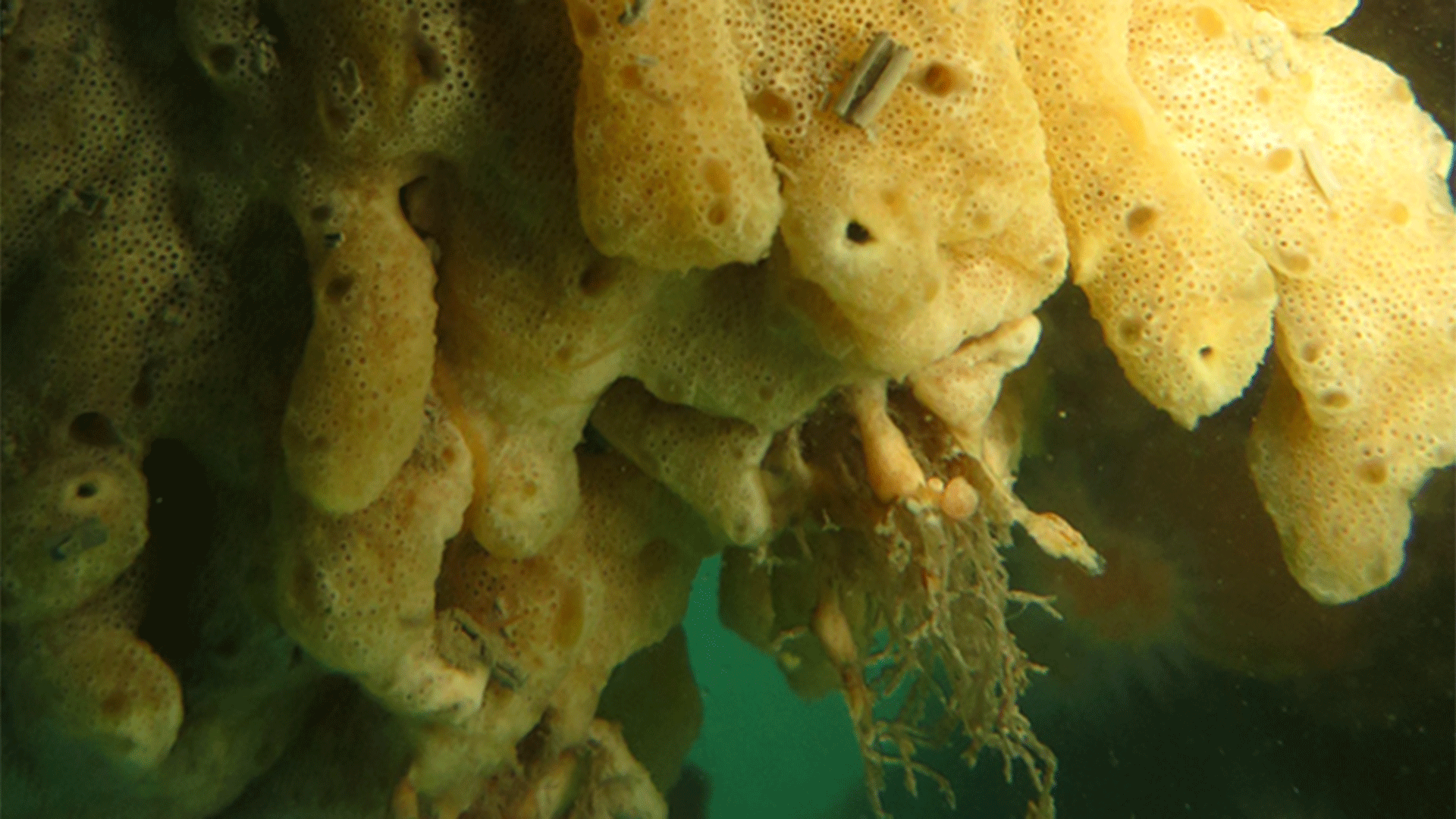
A recent marine growth assessment undertaken by Natural Power at the Inch Cape Offshore Wind Farm meteorological mast highlighted just how extensively marine life can colonise offshore structures over time. After nine years in the marine environment, the structure supported diverse habitats and abundant species communities from the waterline to the seabed. The assessment identified extensive epifaunal growth, species of conservation interest and evidence of valuable ecosystem services including food provision, shelter and nutrient cycling. Crucially, no invasive non-native species were recorded during the survey.
That finding is encouraging, but it also reinforces a broader point.
The more ecologically valuable offshore infrastructure becomes, the more important it is that we understand the species communities that develop around it and the potential risks they may face.
Recent offshore wind environmental assessments have highlighted species such as slipper limpet and carpet sea squirt among those requiring consideration in UK waters. Both species have the potential to outcompete native marine organisms and alter habitat structure if conditions allow them to establish and spread. Offshore wind projects must therefore increasingly incorporate biosecurity measures, monitoring protocols and species identification procedures as part of their environmental management frameworks.
Looking ahead, the emergence of nature-inclusive design presents both opportunities and responsibilities.
There is growing interest in designing offshore infrastructure that actively supports biodiversity through habitat enhancement features, artificial reef concepts and modifications to scour protection. These approaches have significant potential to deliver positive environmental outcomes, but they must also be considered through the lens of biosecurity.
The goal should not simply be to create habitat. It should be to create habitats that support resilient native ecosystems while minimising opportunities for invasive species establishment.
This is where evidence-led decision-making becomes critical.
Monitoring technologies continue to evolve, providing new opportunities to understand how species interact with offshore infrastructure. Video surveys, marine growth assessments and emerging techniques such as environmental DNA (eDNA) monitoring are helping to build a more detailed picture of marine biodiversity around offshore developments and could play an increasingly important role in identifying invasive species risks at an earlier stage.
Ultimately, the offshore wind sector has an opportunity to take a proactive approach.
Rather than viewing invasive non-native species solely as a compliance issue, the industry can integrate biosecurity thinking into wider environmental strategies from the outset. By combining robust science, effective monitoring and careful design, developers can help ensure that offshore wind farms contribute positively to marine ecosystems while minimising unintended ecological consequences.
As the industry gathers at Global Offshore Wind this year to discuss the future of the sector, the conversation will rightly focus on growth, innovation and delivery. But if we want offshore wind to fulfil its potential as a genuinely sustainable industry, we must ensure that environmental stewardship evolves alongside capacity growth.
Invasive non-native species may not be the most visible challenge facing offshore wind, but they are one of the many reasons why understanding the ecology of our offshore assets has never been more important.
________
Michelle will be exploring these themes further during her speaking session at Global Offshore Wind 2026. More information about the event is available via RenewableUK – Global Offshore Wind 2026.