
Author: Alan Knight, Technical Director, Construction
Renewable energy projects are becoming increasingly more complex, more capital intensive and more exposed to technical and commercial risk. Grid constraints, evolving planning regimes, tighter construction programmes and increasing merchant exposure all place greater pressure on developers, utilities and Independent Power Producers (IPPs) to deliver assets that perform exactly as expected.
In this environment, the role of the Owner’s Engineer (OE) has never been more important.
An effective Owner’s Engineer acts as the project owner’s independent technical representative — safeguarding value, reducing risk and ensuring that renewable energy assets are designed, built and commissioned in line with the owner’s long-term objectives.
What is an Owner’s Engineer?
An Owner’s Engineer is an independent technical advisor appointed by the asset owner or developer to represent their interests throughout the lifecycle of a renewable energy project.
Unlike EPC contractors, equipment suppliers or installers, the Owner’s Engineer works for the interests of the project. Their role is to provide objective technical oversight, challenge assumptions, manage interfaces and ensure that risks are identified early and appropriately mitigated.
In the renewables sector, Owner’s Engineers are commonly appointed on:
-
Onshore and offshore wind projects
-
Utility scale solar PV
-
Battery Energy Storage Systems (BESS)
-
Hybrid and co-located assets
Reducing risk across the project lifecycle
1. Development and early stage risk management
Many of the most significant risks in a renewable energy project are locked in during the development phase. Decisions around site layout, technology selection, yield assessment and grid strategy all have long-term implications for performance and bankability.
At this stage, an Owner’s Engineer supports developers by:
-
Reviewing site constraints and layout feasibility
-
Assessing wind, solar or storage performance assumptions
-
Challenging yield assessments and loss assumptions
-
Advising on technology selection and design philosophy
-
Identifying key technical and consenting risks early
This independent scrutiny helps ensure projects are technically robust before significant capital is committed.
2. Contracting and procurement support
As projects move into procurement, risk increasingly shifts from development into contractual structure and interface management.
Owner’s Engineers play a critical role by:
-
Preparing or reviewing Employer’s Requirements
-
Supporting tender evaluations and bid comparisons
-
Reviewing EPC, Balance of Plant (BoP), turbine or battery supply contracts
-
Assessing performance guarantees, warranties and liquidated damages
-
Supporting negotiations with contractors and suppliers
For developers and IPPs, this input is essential in balancing cost certainty with flexibility — particularly where multiple contractors or split contract structures are used.
3. Construction oversight and quality assurance
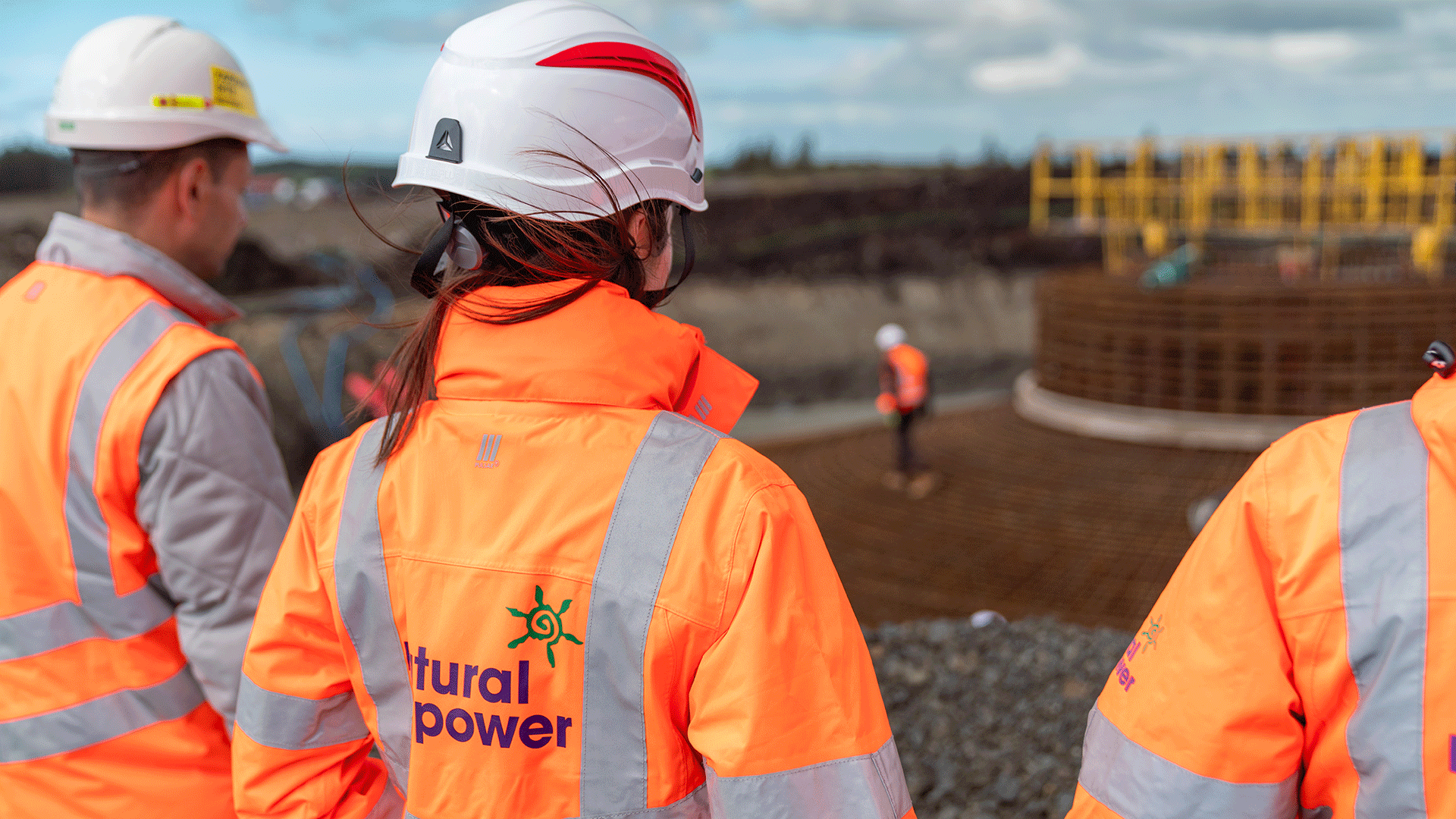
During construction, the Owner’s Engineer becomes the owner’s “eyes and ears” on the ground.
Typical responsibilities include:
-
Reviewing detailed design submissions
-
Monitoring construction progress and quality
-
Identifying non-conformances and technical deviations
-
Managing interface risk between contractors
-
Reviewing change requests and contractor claims
By maintaining independent oversight, the Owner’s Engineer helps prevent issues that could otherwise lead to delays, defects or long-term performance degradation.
4. Commissioning, handover and performance verification
As projects approach completion, technical risk does not disappear — it simply changes form.
Owner’s Engineers support owners by:
-
Reviewing commissioning procedures and test results
-
Witnessing performance and reliability testing
-
Verifying contractual capacity and availability metrics
-
Managing defect rectification and punch list closure
-
Supporting Practical Completion and Final Completion
This stage is particularly critical for projects exposed to CfD milestones, subsidy deadlines or merchant market revenue.
5. Operational performance and asset value
For many owners, the Owner’s Engineer relationship extends beyond construction into operations.
This can include:
-
Performance benchmarking and underperformance analysis
-
Degradation assessments and life extension studies
-
Review of O&M contractor performance
-
Technical due diligence for refinancing or asset sales
In an increasingly competitive market, long-term asset performance is a key differentiator — and independent technical insight remains essential.
Why Owner’s Engineering matters
The renewables sector presents a unique combination of challenges:
-
Complex planning and consenting environments
-
Grid connection delays and curtailment risk
-
Increasing deployment of co-located and hybrid assets
-
Greater exposure to merchant power prices
Against this backdrop, Owner’s Engineers help developers, utilities and IPPs to:
-
Reduce technical and commercial risk
-
Improve project bankability
-
Protect long-term asset value
-
Make informed decisions based on independent advice
Natural Power: A proven Owner’s Engineer across the UK, Ireland and France
With decades of experience in renewable energy, Natural Power has an established track record delivering Owner’s Engineer services across the UK, Ireland and France.
Our teams combine:
-
Deep technical expertise across wind, solar and energy storage
-
Local market knowledge and regulatory understanding
-
Practical experience from development through to operation
By working closely with developers, utilities and IPPs, Natural Power provides Owner’s Engineer services that are rigorous, pragmatic and aligned with commercial objectives — supporting projects from early development through construction and into long-term operation.
Conclusion
In today’s renewables market, successful projects are defined not just by capacity installed, but by risk managed and value protected.
An experienced Owner’s Engineer plays a vital role in achieving this — acting as an independent technical partner who ensures that renewable energy assets are delivered safely, compliantly and in line with long-term performance expectations.
For developers, utilities and IPPs operating in the UK and beyond, effective Owner’s Engineering is no longer a “nice to have” — it is a critical component of successful project delivery.
Further reading: Ockendon Solar