
Author: Kevin Mitchell, head of asset management
As 2026 gathers pace we can already see that onshore wind is a far more mature sector than it was even a decade ago. Many assets are now well into their operational lives, market conditions are more complex, and expectations from investors are higher than ever. From my perspective as Head of Asset Management in the renewables space, one thing is clear: the next phase of value creation will be driven by smarter, more integrated asset management.
For years, the industry focused on building capacity quickly and cost-effectively. That foundation is now firmly in place. The challenge ahead is how we extract maximum, sustainable value from existing assets while managing risk in an increasingly dynamic operating environment. This is where smarter asset management comes in.
A major shift we’re seeing is the growing use of data to support decision-making. Most wind farms already generate vast amounts of operational data, but too often it sits in silos or is under-utilised. In 2026, the most successful owners will be those who move beyond basic monitoring and use data analytics to anticipate issues before they impact availability or revenue. Predictive maintenance, performance benchmarking, and trend analysis are no longer “nice to have” — they’re becoming core tools for protecting returns.
Digitalisation also plays a key role in improving collaboration across technical, commercial, and financial teams. Asset management is no longer just about turbine performance; it’s about aligning O&M strategy with market exposure, grid constraints, and regulatory obligations. Smarter systems allow asset managers to see the full picture and respond more quickly when conditions change, whether that’s a new grid code requirement or volatility in power prices.
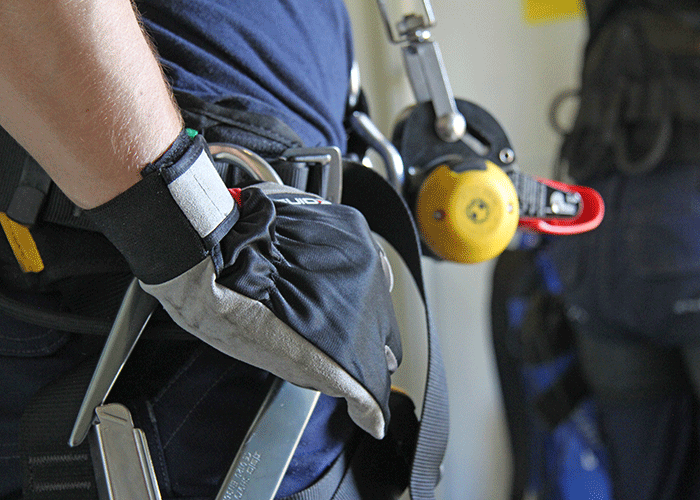
At the same time, regulation and stakeholder expectations are evolving. Greater scrutiny around health and safety, environmental impact, and reporting transparency means asset managers must be more proactive and structured in their approach. In 2026, strong governance won’t be seen as a burden — it will be a differentiator that builds trust with investors, lenders, and communities.
Another defining trend is the growing focus on asset lifetime extension and repowering. As projects age, owners face critical decisions about component replacement, control system upgrades, and long-term O&M strategies. Smarter asset management combines technical insight with financial modelling to ensure these decisions are evidence-based and value-driven, rather than reactive.

Ultimately, smarter wind asset management is about partnership. Asset owners increasingly want advisors who understand not just how turbines operate, but how wind farms perform as investments over decades. In 2026, success will belong to those who can translate technical complexity into clear, actionable insight — and who can do so in a collaborative, transparent way.
Onshore wind has always been a long-term game. Smarter asset management is how we ensure it remains a successful one.
For more information on smarter asset management, contact kevinmi@naturalpower.com