
Author: Sue Mabon, Director of Onshore Consenting & Environment
Onshore wind continues to be one of the most cost-effective and scalable solutions to decarbonise Europe’s electricity grid. Yet many projects are hindered not by technology or finance, but by delays in the planning process.
At Natural Power, we’ve supported over 7,000 renewable energy projects globally, including hundreds of onshore wind developments across the UK and Europe. From this experience, we’ve identified key factors that consistently influence planning timelines, both positively and negatively.
1. Engage early
Early-stage engagement with local planning authorities, statutory consultees, and community stakeholders is essential. Engagement should not be viewed as a box-ticking exercise; it should be part of a continuous dialogue. At Natural Power, our consenting specialists have found that where early scoping and feedback loops are integrated into project development, significant delays are avoided later (post submission stages).
2. Design with context
A project that’s technically sound but socially or environmentally insensitive will be more likely to experience challenges. Landscape sensitivity, cumulative visual impact, and community perception all matter - just as much as biophysical constraints such as peat stability, hydrology, ecology, and ornithology, and other technical constraints such as noise and access etc.
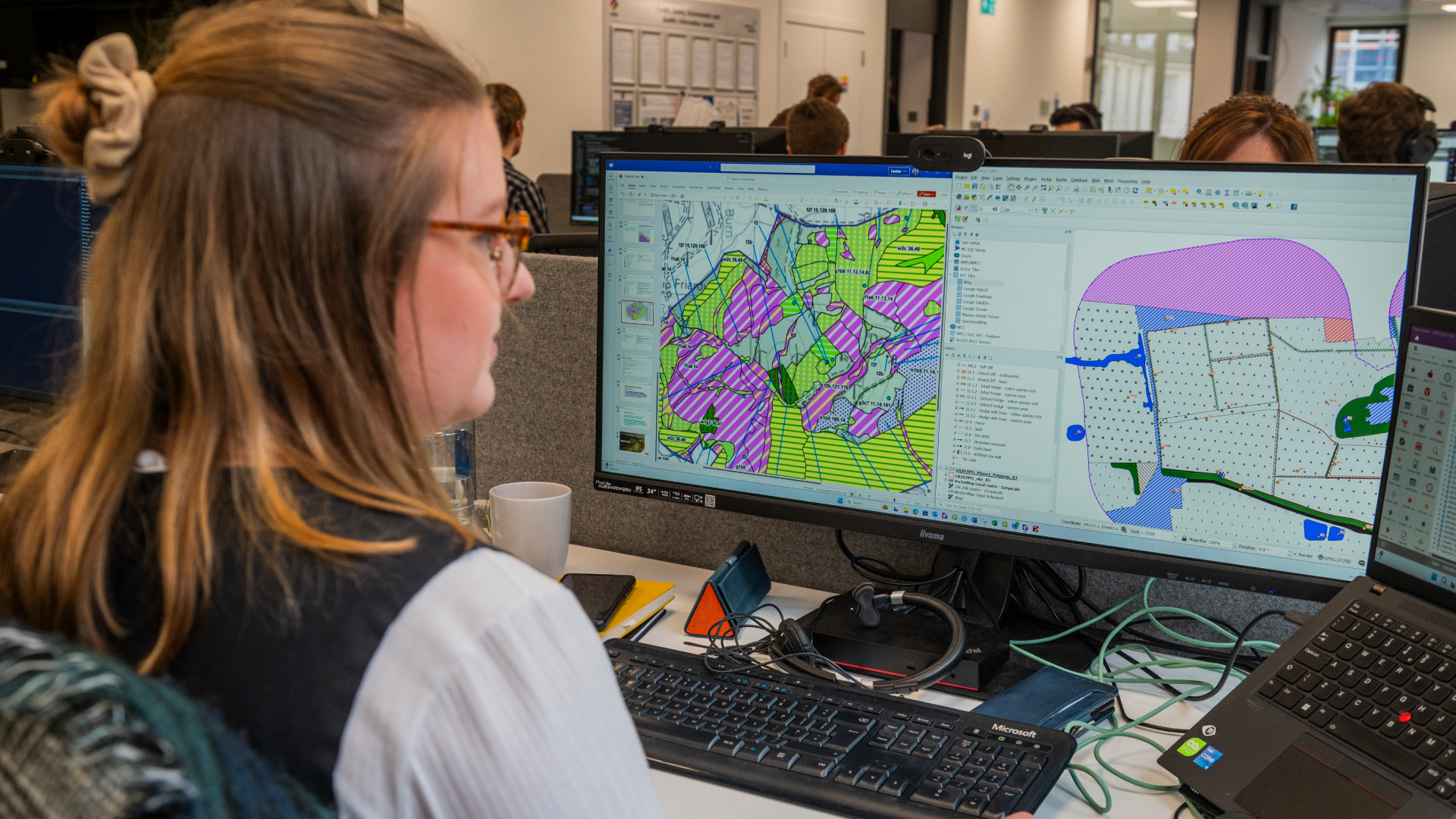
Incorporating constraints mapping and sensitivity analyses in the earliest design phases helps identify risks early and prevents challenges later in the consenting process.
3. Be strategic with environmental assessments
An environmental impact assessment (EIA) is not just a compliance obligation—it’s a key planning tool. Natural Power’s in-house EIA specialists ensure each assessment is appropriately scoped; the methodology is robust and is aligned with current best practice. Poorly scoped or outdated EIA data is a common cause of further information requests, which leads to delays.
4. Track policy and legislative change
The policy landscape for onshore wind is evolving. For example, recent changes to the National Planning Framework (NPF4) in Scotland offer new opportunities—but also raise the bar on community consultation and climate justification.
In 2027, there is the expectation that an ES or EIA report, that primarily focuses on identifying, predicting, and mitigating potential significant adverse impacts of a project on the environment will be replaced by the new environmental outcomes report (EOR). This focuses on whether a project contributes to pre-defined, measurable environmental outcomes set by the government, with the aim of being simpler, shorter, and more accessible. It intends to cut unnecessary paperwork and reduce duplication by focusing only on relevant issues.
The Wull Muir Wind Farm decision within the Scottish Borders highlighted that grid connections should be addressed during the EIA process for renewable energy projects. At Natural Power, we’re helping clients with this specific challenge, by guiding projects already submitted, about to be submitted, and in early planning to ensure grid considerations are appropriately addressed.
Our Planning team is closely tracking these changes and regularly advises clients on how to adapt proposals in response to these shifts.
5. Invest in expert project management
Delays often stem not from technical weaknesses but from a lack of clarity on next steps, roles, and timelines. Having an experienced project manager (PM) embedded in a project team ensures coordination across technical specialists, EIA contributors, lawyers, and local authorities. At Natural Power, our PMs are experienced at spinning all the relevant plates andkeeping projects moving forward. They also recognise and advise when it’s the right time to pause or redirect.
Planning delays are not inevitable. With the right strategy, informed by deep technical expertise and stakeholder insight, developers can accelerate project timelines and reduce risk.
For more guidance, sayhello@naturalpower.com