
Author: Tom Sklaschus, Head of Energy Storage
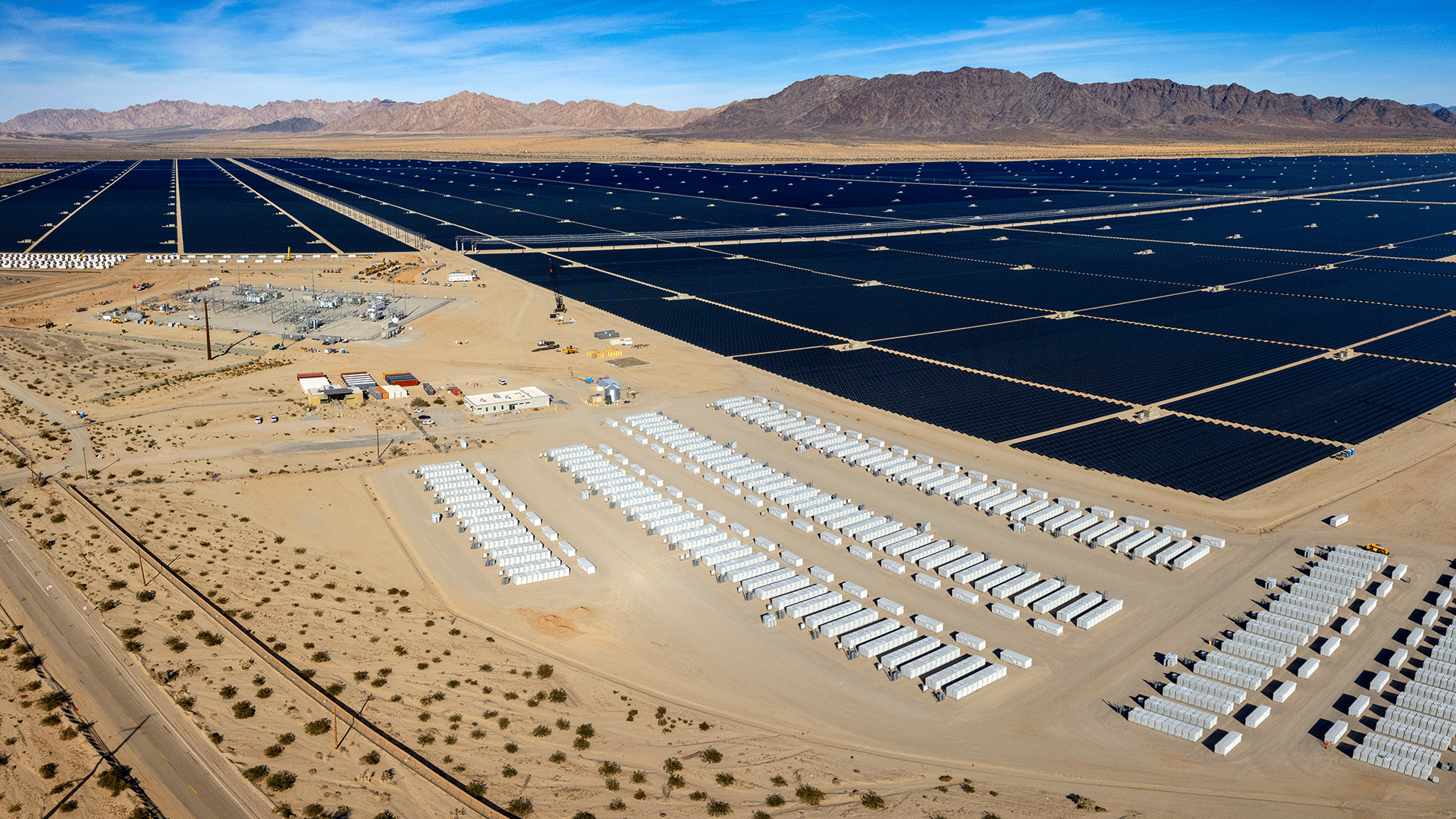
As the energy transition continues to gather pace, colocated renewable and storage projects are becoming more mainstream. Yet designing a battery energy storage system (BESS) that performs reliably in the real world — not just on a spreadsheet — remains one of the most complex engineering challenges in the sector. After 15 years working across renewable project development, I’ve seen the same truth play out repeatedly: the success of a colocated project hinges on how well the BESS is integrated, not just how big it is.
Start with the use case, not the megawatts
Too many projects begin with a target capacity rather than a target function. Is the BESS meant to firm intermittent generation, capture clipped energy, provide grid services, or optimise market arbitrage? Each use case drives different requirements for duration, cycling capability, inverter configuration, and control strategies.
For example, a solarplusstorage project focused on peak shaving may only need a 1–2-hour system with high power capability. A windplusstorage project targeting firm capacity might require longer duration and more conservative cycling assumptions. Getting this wrong early can lock a project into a suboptimal revenue stack for 20 years.
Interconnection, interconnection, interconnection
In colocated projects, the grid connection is the most valuable — and constrained — asset. Whether the BESS is AC or DCcoupled fundamentally shapes how it interacts with the grid and the renewable generator.
-
ACcoupled systems offer operational flexibility and clearer metering but require additional interconnection capacity.
-
DCcoupled systems maximise energy capture and reduce BOS costs but introduce complexity around clipping, charging windows, and inverter loading ratios.
There is no universal “best” choice. The right answer depends on grid constraints, market rules, and the project’s revenue priorities.
Controls and EMS: the hidden heart of the system
Hardware gets the attention, but software determines performance. A well‑designed energy management system (EMS) must coordinate the renewable asset, the BESS, and the grid in real time.
This includes:
-
Prioritising charge sources (onsite generation vs. grid)
-
Managing export limits
-
Responding to market signals
-
Protecting battery health through intelligent cycling
Poor EMS integration is one of the most common reasons BESS assets underperform. Investing early in control logic design — and testing it through digital twins or hardware‑in‑the‑loop simulations — pays dividends.
Thermal management and degradation are not afterthoughts
Battery degradation is inevitable, but unmanaged degradation is expensive. Realworld performance depends heavily on thermal design, HVAC sizing, and sitespecific climate considerations. A system installed in the UK behaves very differently from one in Texas or the Middle East.
Engineers should model degradation under realistic cycling profiles, not idealised ones. Overestimating usable capacity by even a few percent can erode project returns.
WholeLife operability
A BESS is not a “setandforget” asset. Colocated projects require coordinated O&M strategies, spare parts planning, and clear responsibilities between the renewable operator and the storage operator. Questions worth answering early include:
-
Who controls dispatch?
-
How are losses allocated?
-
What happens when the renewable asset is curtailed?
-
How are warranty constraints enforced?
Clarity here prevents operational friction later.
Integration is a team sport
The best BESS designs emerge when developers, OEMs, grid engineers, and market specialists collaborate from day one. Colocated projects sit at the intersection of multiple disciplines, and siloed decisionmaking almost always leads to costly redesigns.
Colocated storage is one of the most exciting frontiers in renewable energy, but it rewards thoughtful engineering over aggressive capacity additions. When BESS systems are designed around realworld constraints — and realworld opportunities — they become powerful tools for grid flexibility, project resilience, and longterm value creation.